Latest News & Upcoming Events

Arbor Month Tour de SANParks
September marks Arbor Month in South Africa, an ideal moment to head into the national parks in search of the country’s botanical giants. This journey forms part of the SANParks Big Tree Project, an initiative to locate, measure and record significant trees across all...
Tree Spotting Turned Hyena Watching
While on the hunt for big trees in Kruger National Park, I ended up spotting something else entirely… Spotted hyenas! Five young cubs, right in the middle of the Skukuza staff village. They looked to be from three separate litters: two tiny, dark ones without spots...
Is the Eastern Monarch now the Biggest Yellowwood in SA?
By Waldie le Grange This question might throw the proverbial cat among the pigeons—especially for residents of the Garden Route, home to the iconic Tsitsikamma Big Tree near Storms River. However, based on the latest provisional measurements, the Eastern Monarch...
Arbor Month Tour de SANParks
September marks Arbor Month in South Africa, an ideal moment to head into the national parks in search of the country’s botanical giants. This journey forms part of the SANParks Big Tree Project, an initiative to locate, measure and record significant trees across all national parks. Four parks will be visited, each with its own character, landscape and signature species.
Golden Gate Highlands National Park
The adventure begins in the Free State at Golden Gate Highlands National Park, near Clarens. Known for its sandstone cliffs and sweeping grasslands, the park also shelters a handful of noteworthy trees waiting to be measured and mapped.
Karoo National Park
Next stop: Karoo National Park, famous not only for its vast plains but also for Sylvester, the lion who became a national escape artist. Big trees are scarce here, but if I measure only one tree in the Karoo National Park, it should of course be the sweet thorn (Vachellia karroo).
Meerkat National Park
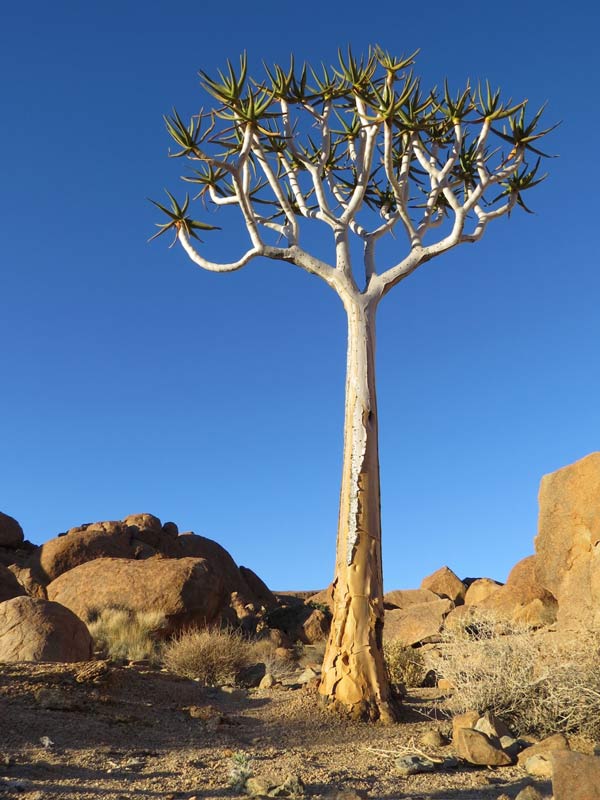
From there, the route leads to South Africa’s newest national park, Meerkat National Park, located near the SKA radio astronomy site. Access is restricted, but the reward is exceptional: the quiver tree (Aloidendron dichotomum), a personal favourite and one of the most striking silhouettes in the arid landscape.
Richtersveld National Park
The final destination is the rugged Richtersveld National Park, tucked into the country’s north-western corner. Here, more quiver trees await, including the rare and majestic giant quiver tree (Aloidendron pillansii), a species found in only a handful of places on Earth.
Travelling by Jimny, at a modest but memorable pace
The park-to-park crawl will be done in my trusty Jimny, proudly branded with quiver trees on the rear and driver’s doors. It should feel perfectly at home in the Richtersveld.
For other travellers, the Jimny’s rear end will likely become a familiar sight as they overtake it on its way to the next park. Its pace may be modest, but its spirit is unwavering.


A reunion 12 years in the making
The quiver tree used as the model for the Jimny’s branding is one I first met in Kokerboomkloof in the Richtersveld back in 2006. It was a young, tall tree with attitude, and I named it immediately: the Quivertree Prince.
I photographed the Prince again during a return visit in 2014. Now, 12 years later, I can’t wait to meet it once more.
Tree Spotting Turned Hyena Watching
While on the hunt for big trees in Kruger National Park, I ended up spotting something else entirely…
Spotted hyenas! Five young cubs, right in the middle of the Skukuza staff village. They looked to be from three separate litters: two tiny, dark ones without spots yet, two larger spotted cubs, and one middle child.
I came across them after dropping off a ranger near the junction to the Skukuza Soccer Stadium. It turns out a stormwater pipe under the road is serving as their den.
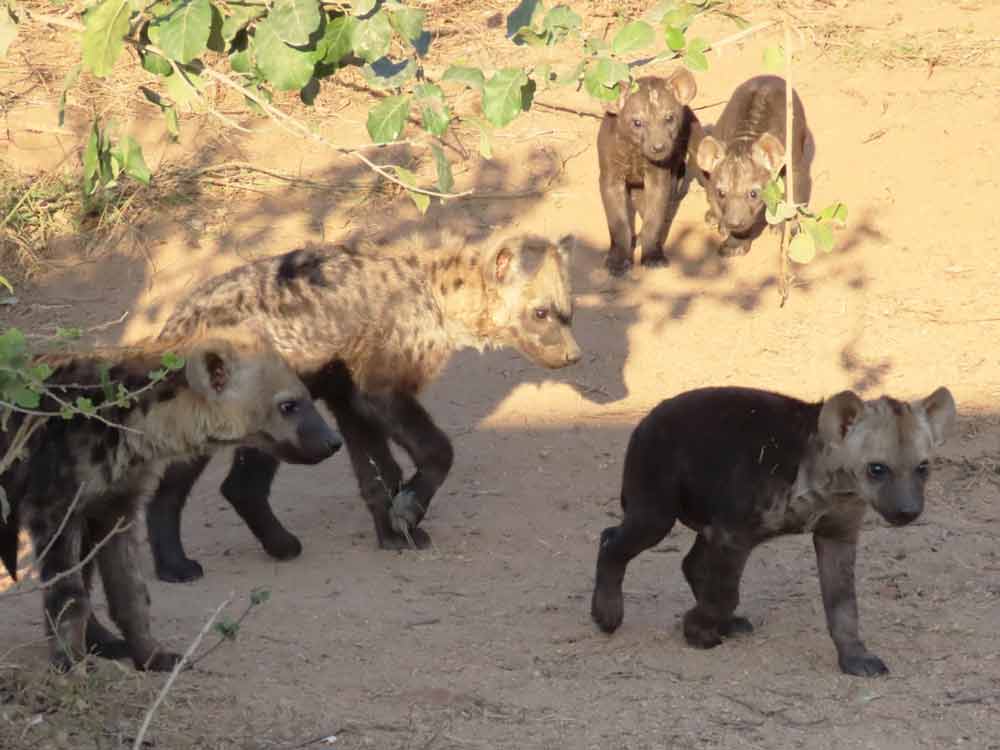
Looking at the two bigger ones, you can’t help but imagine the reactions: “Ag moeder!” or “Is hulle nie cute nie?”
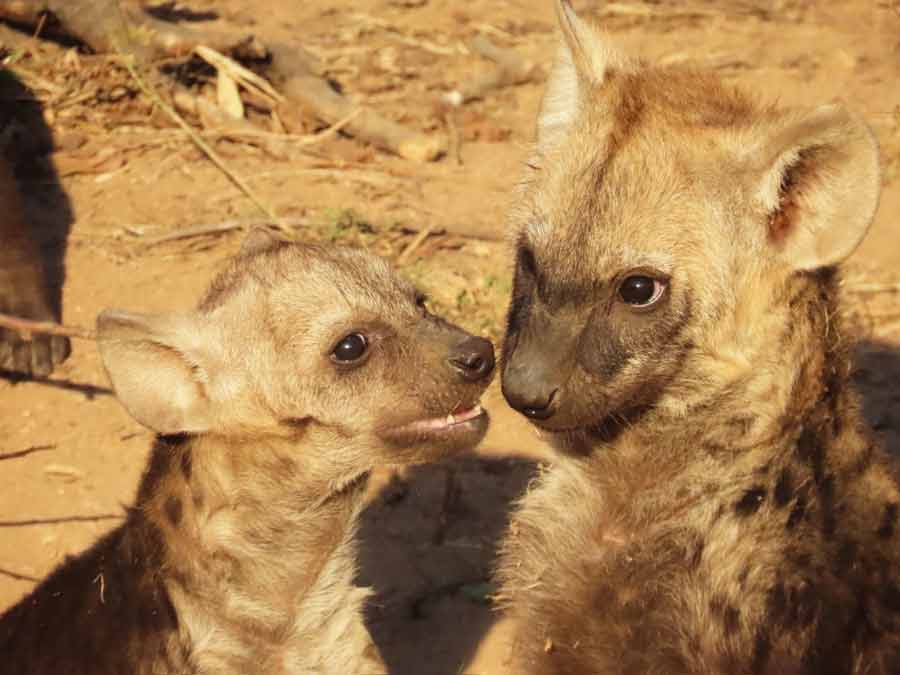
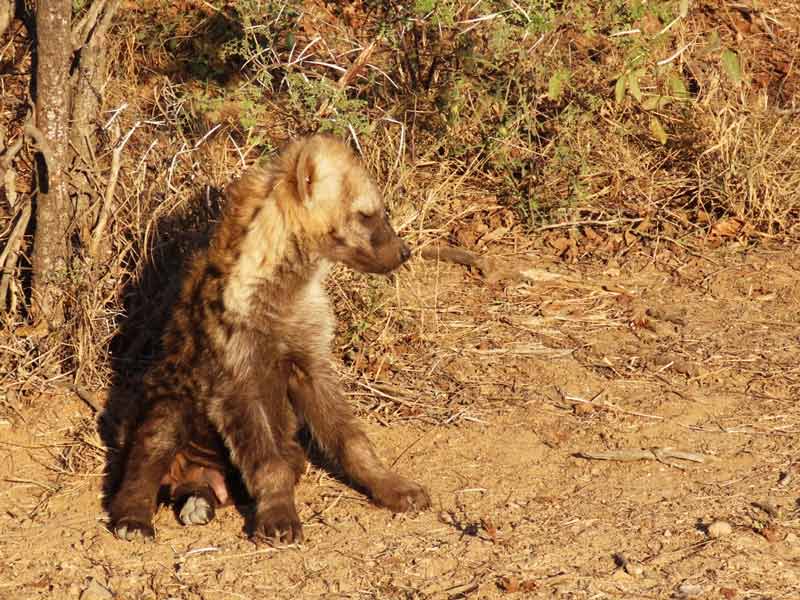
At one point, this older cub assumed “management duties,” keeping watch while basking in the late afternoon sun.
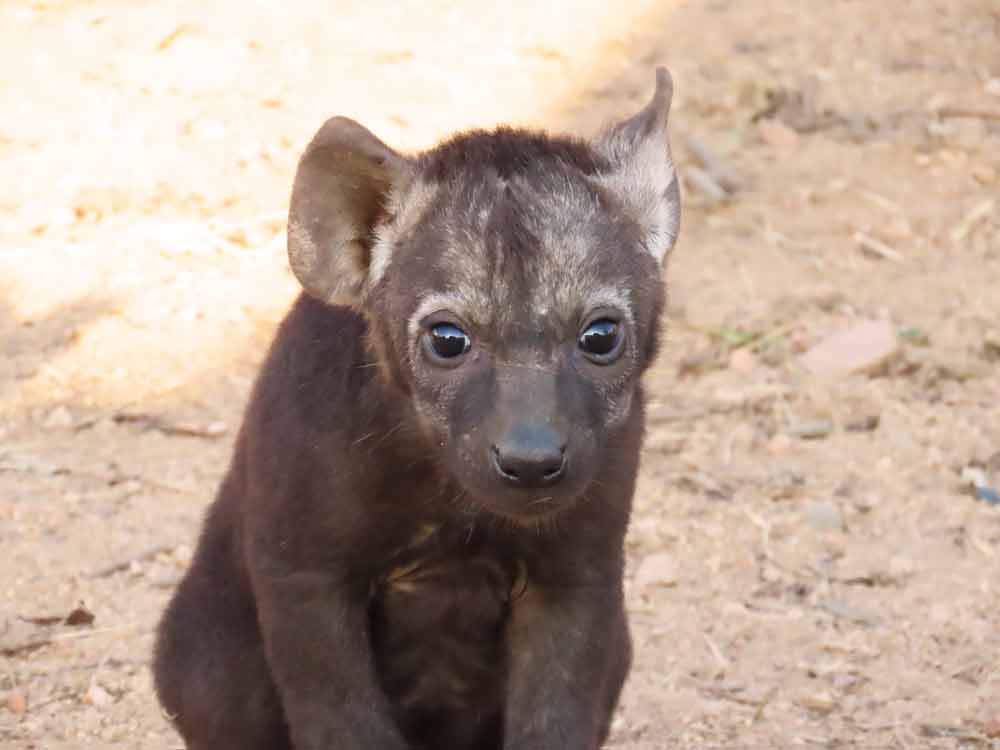
As for one of the little ones? Incredibly curious—though definitely a face only a mother could love!
Is the Eastern Monarch now the Biggest Yellowwood in SA?
By Waldie le Grange
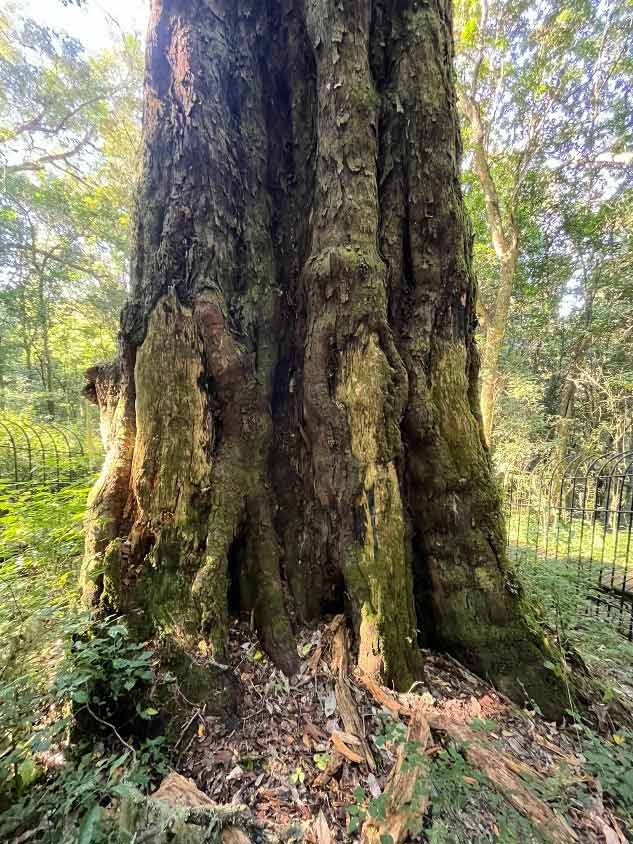
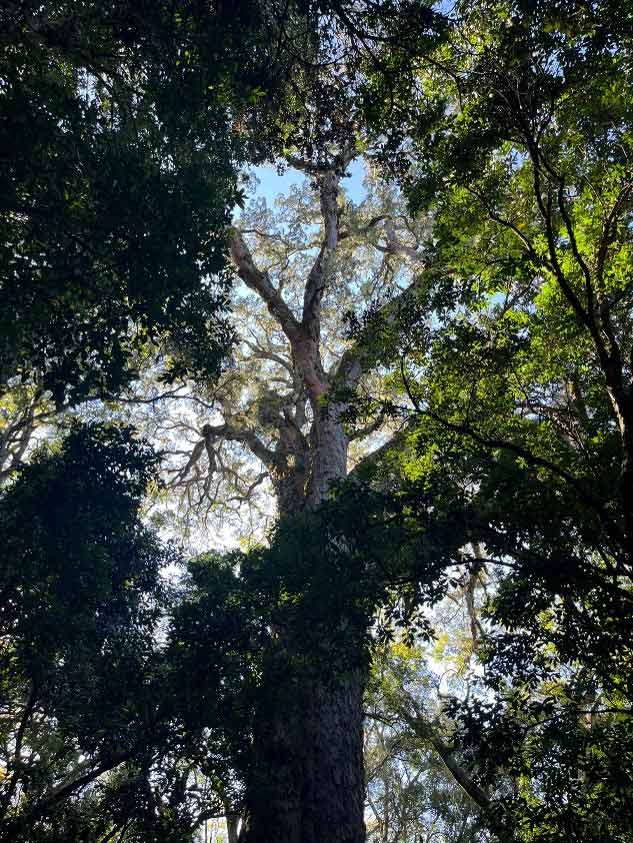
This question might throw the proverbial cat among the pigeons—especially for residents of the Garden Route, home to the iconic Tsitsikamma Big Tree near Storms River. However, based on the latest provisional measurements, the Eastern Monarch currently appears to stand as the largest recorded Outeniqua yellowwood (Afrocarpus falcatus) in South Africa.
During a recent expedition to Hogsback, I surveyed this giant on 17 June 2026. The newly calculated Size Index (SI) has reached 382.6—the highest SI ever recorded for any Outeniqua yellowwood.
Tracking the Champions
The Eastern Monarch is a titanic Outeniqua yellowwood nestled within the indigenous forests of the picturesque Eastern Cape town of Hogsback. It earned its regal name in the book We Are the Champions, and it is officially registered on the Champion Tree Register, managed by the Department of Forestry, Fisheries and the Environment (DFFE).
According to the latest available register, there are six Outeniqua yellowwoods designated as national Champion Trees. Previously, the Eastern Monarch sat in second place with an SI of 355. The reigning king was the Tsitsikamma Big Tree, located just off the N2 near Storms River Village in the Garden Route National Park, boasting an SI of 379. As arguably South Africa’s most famous tree, the Tsitsikamma giant is a major tourism hub, drawing roughly 95,000 visitors annually.
With this latest remeasurement, however, the Eastern Monarch marginally outsizes its coastal rival.
The Footnote on the Crown
While current evidence strongly suggests that the Eastern Monarch holds the title, a major caveat remains: we don’t know exactly when the Tsitsikamma Big Tree was last surveyed. Its baseline data is at least a decade old—recorded before We Are the Champions was published in 2015—and could potentially date back to the turn of the century, as is the case with many registered champions.
While the Tsitsikamma tree has undoubtedly grown since its last official measurement, the Eastern Monarch holds the mathematical edge for now. This historic title remains pending formal, independent verification (and it might only last until the Tsitsikamma giant is remeasured!).
Data Breakdown: The Eastern Monarch Remeasurement
The jump in the Eastern Monarch’s SI from 355 to 382.6 is driven by the following parameters:
- Trunk Circumference: Increased from 8.65m to 9.30m (measured at breast height).
- Average Crown Diameter: Increased from 29.7m to 31.9m.Note on Method: Crown diameter is calculated by averaging two cross-sections: North-South and East-West. While the N-S line measured a massive 34.0m, dense growth made an accurate E-W reading impossible. To remain conservative, the historical average of 29.7m was reused for the E-W axis.
- Tree Height: The historical height of 39.4m was reused because the surrounding forest canopy completely blocked a clear line of sight for laser measurement. This is a highly conservative baseline constraint; it is mathematically certain that the tree has grown taller alongside its trunk and crown expansion.
Because of these environmental limitations, this measurement requires verification by a second surveyor to be considered 100% airtight.
A Call for a Systematic Remeasurement Programme
This discovery highlights a broader issue: national champion registries lose their scientific and comparative value when data is allowed to become decades old.
A systematic, state-backed remeasurement programme for any Champion Tree whose data is older than 10 years is highly overdue. At a minimum, these findings serve as an urgent call to action for the DFFE and the scientific community to get back into the field and update our national botanical records.